



Sensata | Gigavac
31 MODELS
SPDT Relays
Single-pole double-throw high voltage relays.
- voltage_kv
- 3.5–70
- contact_form
- Form C
- current_a
- 5–150
CATEGORY
Our high voltage relay category is being expanded. New products for high voltage test and measurement systems will be added soon.
BRANDS IN CATALOG
BRANDS IN THIS CATEGORY
Each manufacturer offers different series and performance ranges. Click a brand to explore its series.
AI POWERED · PRODUCT FINDER
Describe what you need in plain language — our AI engineer will suggest the best matching series/brand and compare alternatives.
SERIES · FILTER
Apply filters; the cards on the right show only series with matching models.
Single-pole double-throw high voltage relays.
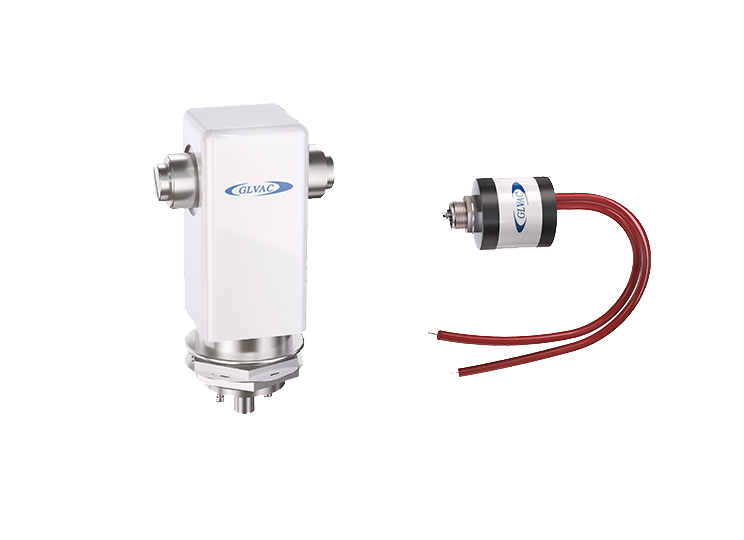
1.5 kV – 70 kV Single Pole Single Throw (SPST) high-voltage relay family — Vacuum, Reed and Gas-Filled technologies
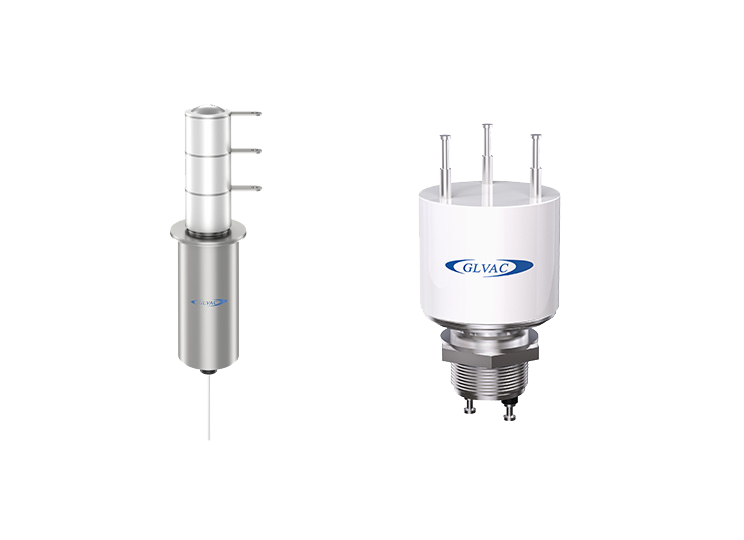
3.5 kV – 35 kV Single Pole Double Throw (SPDT) high-voltage relay family
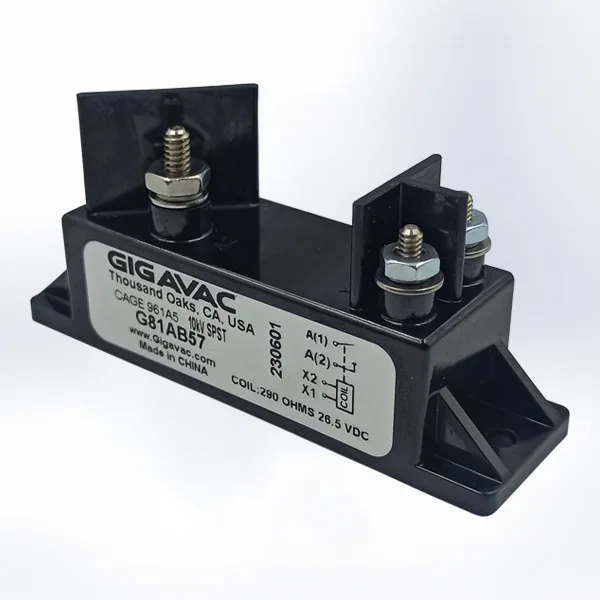
Single-pole, normally-open high voltage relays.
Mechanically latching high voltage relays with zero coil holding current.

SPDT high voltage relay (single-pole double-throw)
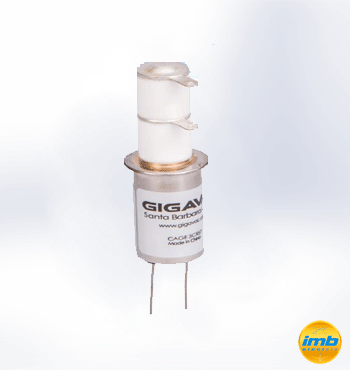
Single-pole, normally-closed high voltage relays.
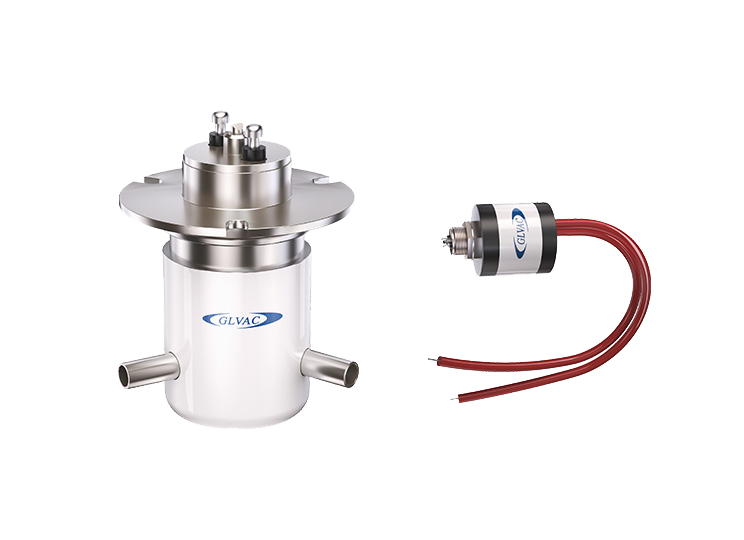
15 kV – 70 kV magnetic latching high-voltage relay — Last-state preservation for energy savings
Double-pole double-throw high voltage relays.
5–50 kV · 5–110 A · SPST-NO high voltage relay
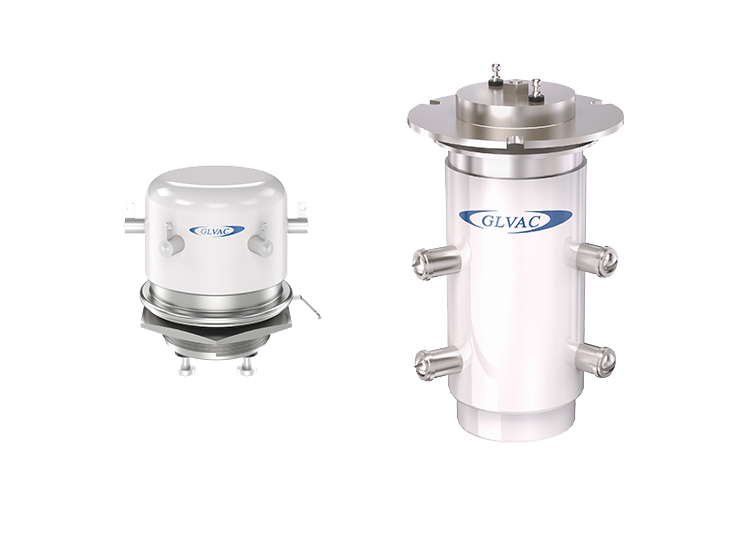
8 kV – 25 kV Double Pole Double Throw (DPDT) high-voltage relay — Two independent SPDTs on a single coil
SPST-NC high voltage relay (normally-closed)
DPDT high voltage relay (double-pole double-throw)
EDITORIAL
Selection guides, technical notes and brand news for this category.
Selecting high-voltage contactors requires a careful evaluation of rated current, breaking capacity, and arc protection to ensure system safety. Key factors including coil voltage, auxiliary contacts, and environmental durability are essential for reliable battery and EV applications.
Rated voltage (kV), continuous/inrush current, contact topology and coil type are the core criteria for HV relay selection.
In EV DC charging stations, main, pre-charge and isolation relays serve separate roles; bidirectional (V2G) capability is critical.
FAQ